How Much Exercise Does a City Dog Need? A Practical Daily Guide
If you are wondering how much exercise a city dog needs, there is no safe universal number. Age, health, body condition, breed traits, weather, and the intensity of each activity matter more than a rigid daily target.
Disclosure: As an Amazon Associate, we earn from qualifying purchases.
Start with the individual dog
A fit adult may enjoy brisk walks and structured play, while a puppy, senior, flat-faced dog, overweight dog, or dog with a medical condition may need shorter and gentler sessions. Veterinary guidance from VCA recommends discussing a new fitness plan with a veterinarian and tailoring it to age, body condition, health, heart and lung function, and physical structure.
A practical daily framework
1. Use several manageable outings
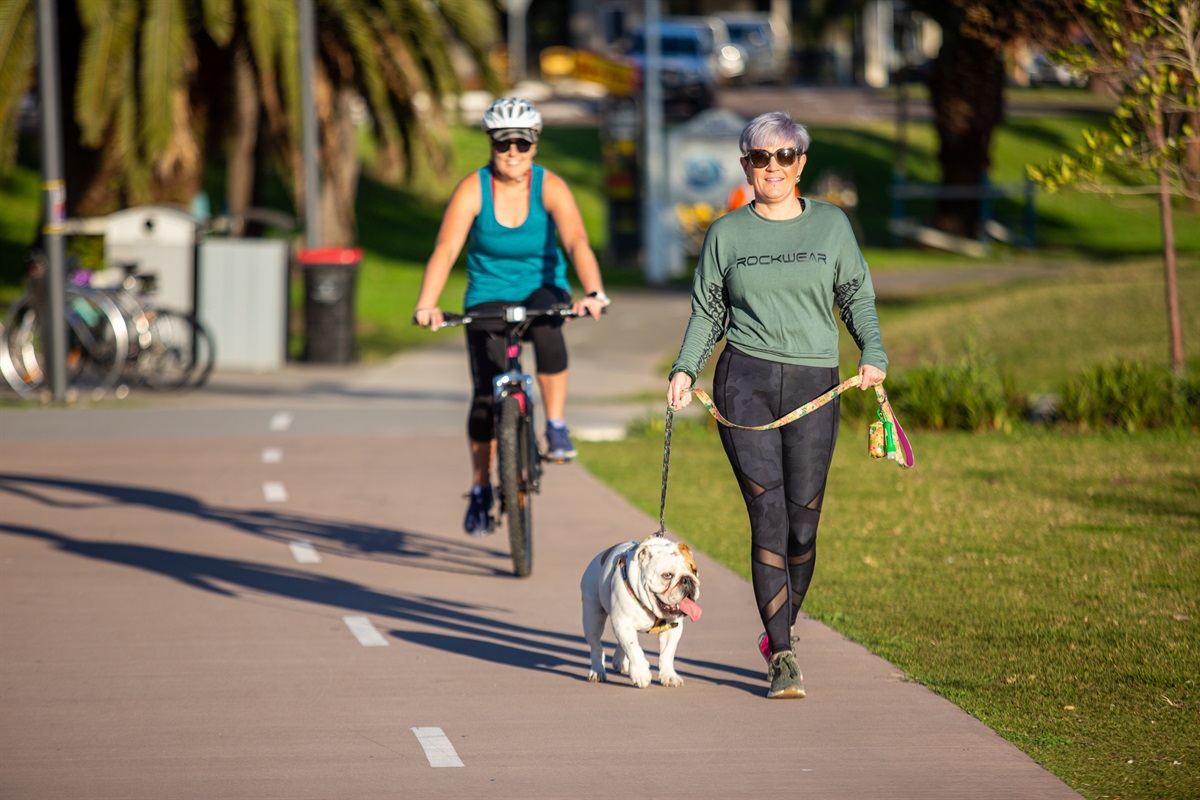
For many urban households, multiple shorter walks are easier to adapt than one exhausting session. Include toilet outings, purposeful walking, and at least one lower-pressure opportunity to sniff.
2. Count sniffing as enrichment
A walk is not only about distance. Safe sniffing, exploring different surfaces, and moving at the dog’s pace provide mental activity. VCA’s play and exercise guidance notes that sniffing and exploration enrich dogs’ lives.
3. Add brief play or training
Food searches, recall practice, gentle tug, puzzle activities, and short reward-based training sessions can supplement physical movement. Rotate activities instead of trying to tire the dog through repetitive high-impact exercise.
4. Build intensity gradually
Increase duration or difficulty in small steps. Sudden long runs, repeated sharp turns, jumping, and hard stops can be unsuitable for growing puppies and dogs with joint concerns.
Adjust for age and health
- Puppies: favor self-paced play and short walks; avoid routine long-distance running on hard surfaces.
- Healthy adults: combine aerobic movement, sniffing, training, play, and rest.
- Seniors: use comfortable, lower-impact activity and adjust for mobility, vision, hearing, and recovery.
- Flat-faced dogs: monitor breathing and heat carefully.
- Overweight dogs: begin gradually with veterinary guidance.
City-specific challenges
Traffic, hot pavement, crowded sidewalks, stairs, elevators, noise, and limited off-leash space change the exercise plan. Choose quieter times, use secure equipment, carry water, and test pavement temperature. Indoor enrichment is useful during extreme weather, but it does not automatically replace all outdoor movement.
Signs the session is too difficult
Stop and offer rest if the dog repeatedly sits or lies down, struggles to keep pace, pants unusually hard, becomes uncoordinated, or appears distressed. Persistent stiffness, coughing, limping, weakness, breathing difficulty, or reduced interest in normal activity warrants veterinary advice.
Sample flexible routine
- Morning: a comfortable walk with toilet time and sniffing.
- Midday: a short outing or indoor food-search game.
- Evening: a walk, play session, or reward-based training adjusted to energy and weather.
- Throughout the day: uninterrupted sleep and recovery.
Helpful gear for this routine
| Product | Useful for |
|---|---|
| Tuff Mutt Waist Hands Free Dog Leash for Walking Running Hiking | Hands-free walking |
| MalsiPree Insulated Dog Water Bottle – 24 oz Blue, Stainless Steel | Water on longer outings |
| noxgear LightHound Light Up Reflective Dog Harness, Large | Visibility after dark |
Tuff Mutt Waist Hands Free Dog Leash for Walking Running Hiking
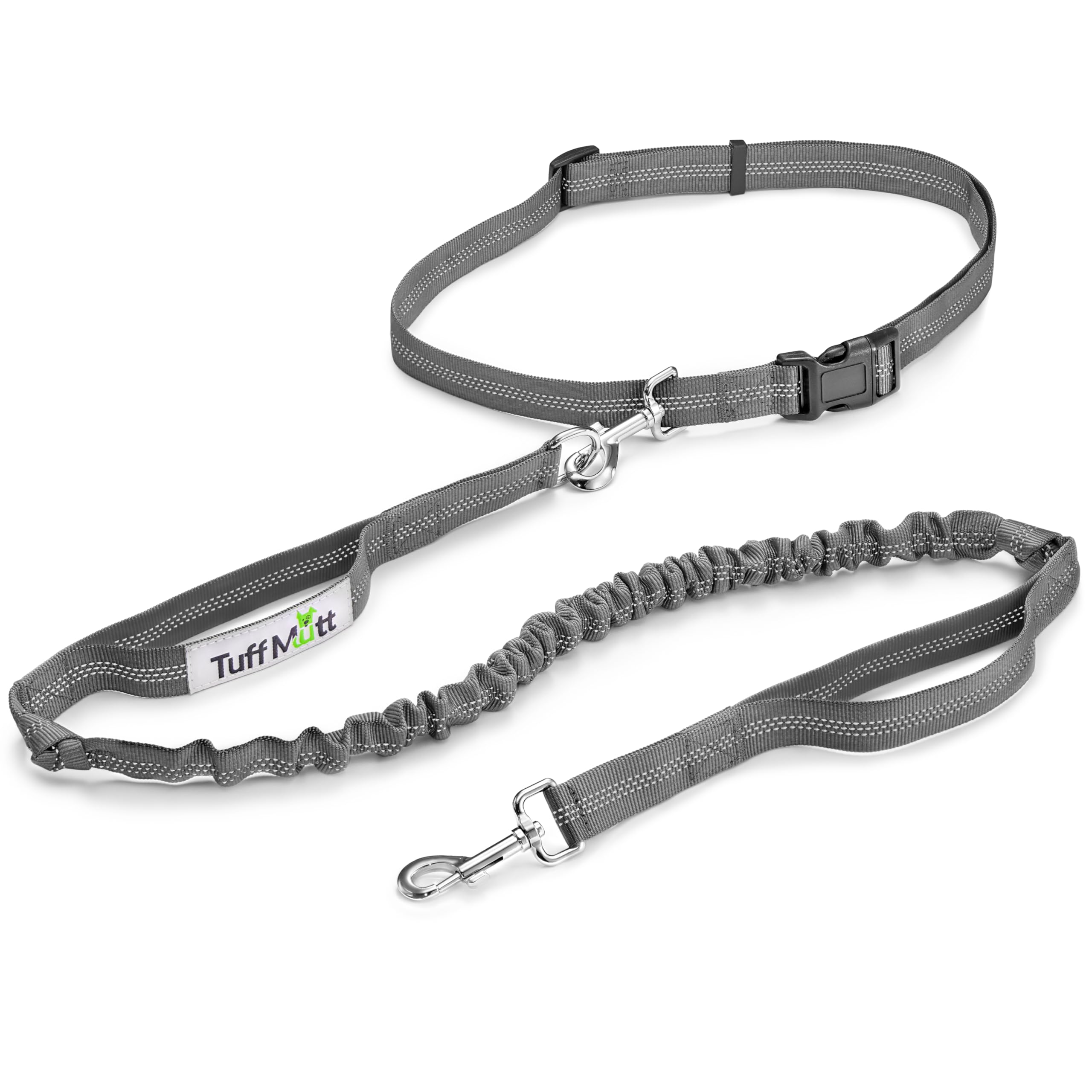
Useful for: Hands-free walking. Check the current size, specifications, care instructions, and seller details before ordering.
MalsiPree Insulated Dog Water Bottle – 24 oz Blue, Stainless Steel
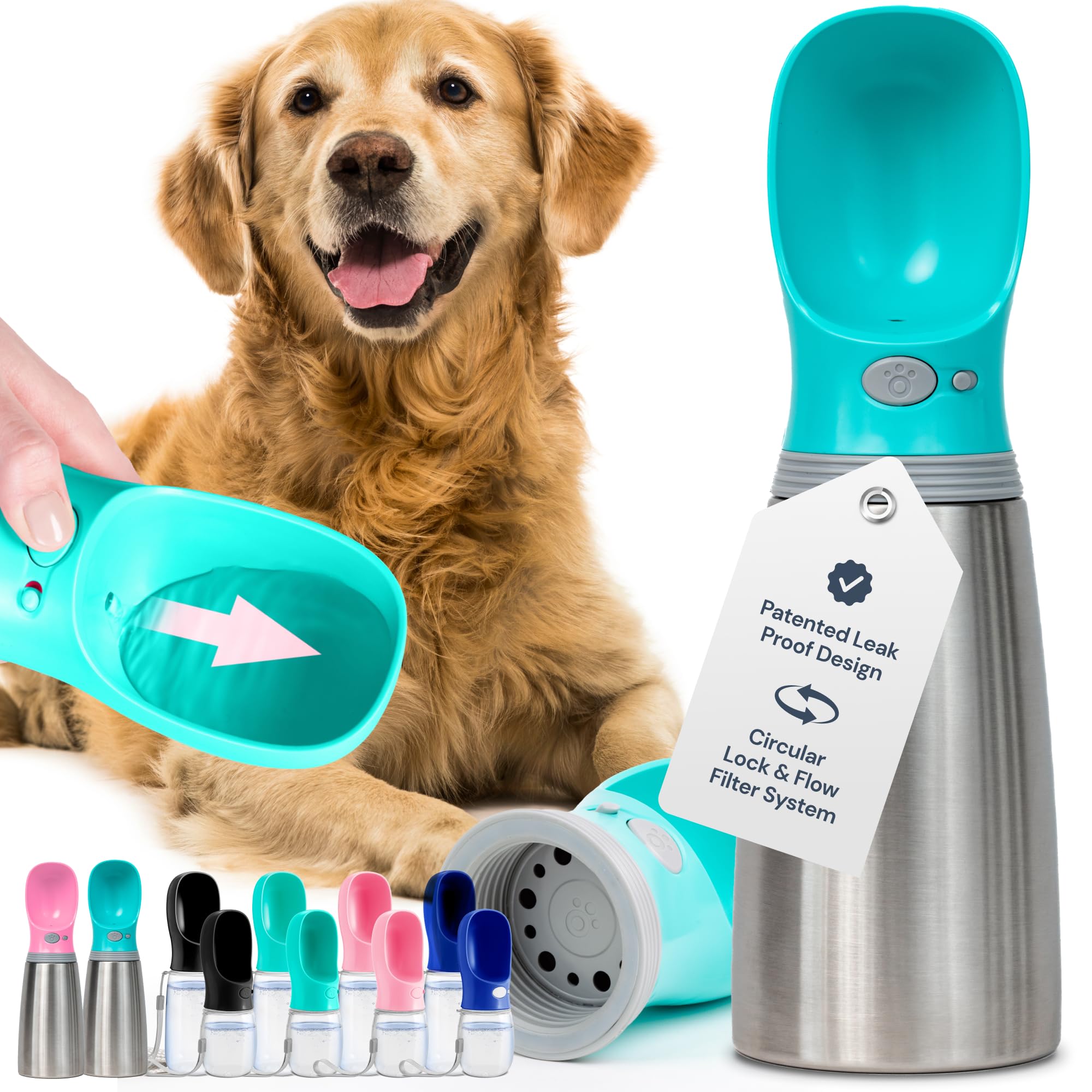
Useful for: Water on longer outings. Check the current size, specifications, care instructions, and seller details before ordering.
noxgear LightHound Light Up Reflective Dog Harness, Large

Useful for: Visibility after dark. Check the current size, specifications, care instructions, and seller details before ordering.
Related guides: See our hands-free leash comparison and apartment puzzle-toy guide.
Final thoughts
The best routine leaves a dog content and able to recover—not depleted. Track comfort, behavior, and recovery, adjust one variable at a time, and involve a veterinarian when health or mobility may limit exercise.